
100% pashmina wraps

A column with no settings can be used as a spacer
Link to your collections, sales and even external links
Add up to five columns

Cashmere Turtleneck — Classic Cream | Anitya Collective
$349.99
Most turtlenecks are not what they claim. Machine-knit at speed. Necklines that gap. You have felt the difference between promise and reality — the turtleneck that loses shape, the neck that stretches, the fabric that pills after two wears.
This is not that.
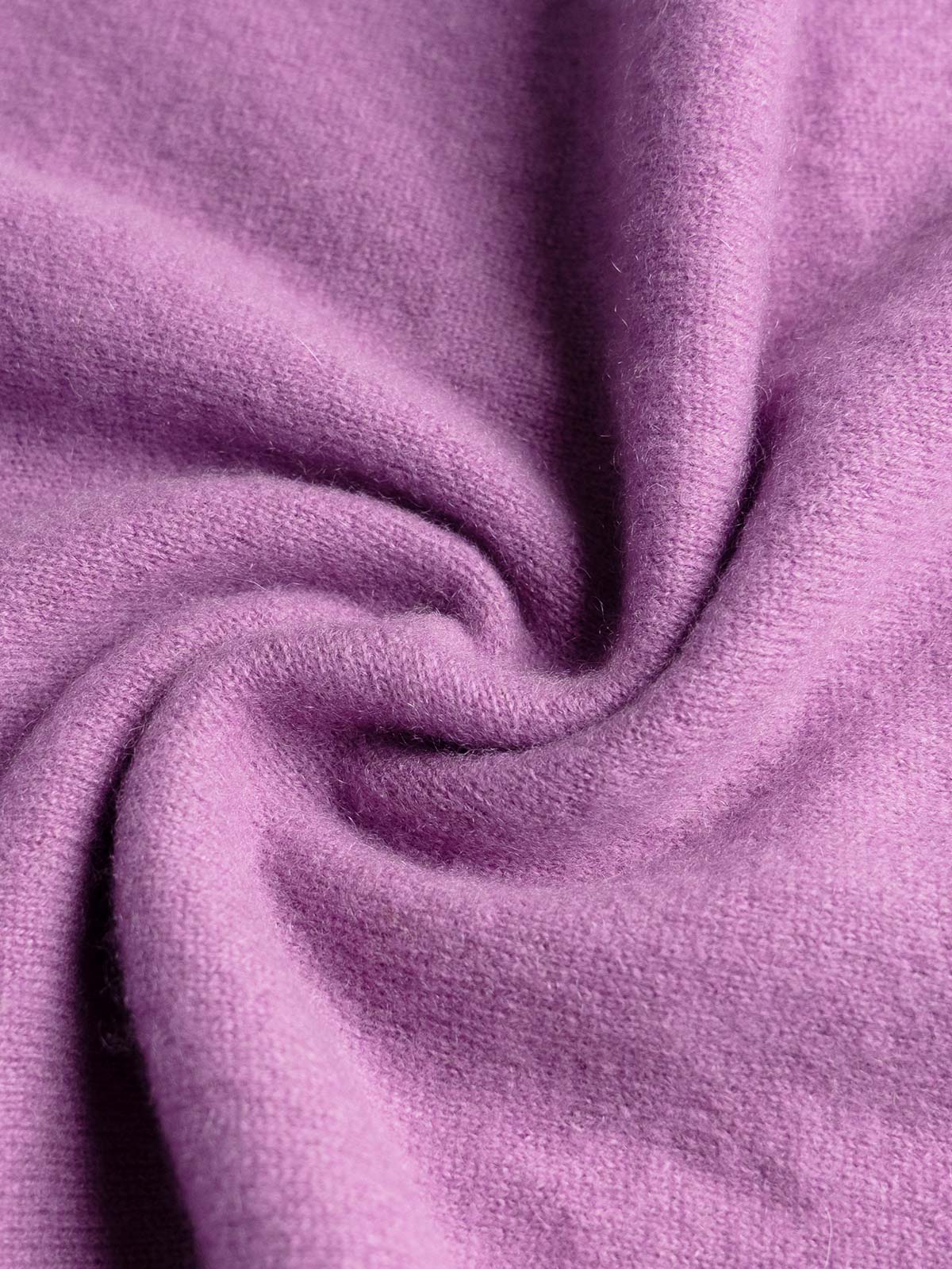
Pashmina sits below 16 microns. Regular cashmere is 18-19. This turtleneck is hand-knit in Kathmandu by teams working together — one knitter works the body, another shapes the neck, a third finishes the edges. No single person completes a piece alone.
The neck holds its structure without gaping. The fiber drapes rather than clings. It is the kind of piece that works under a blazer for meetings or on its own for weekends — reliable, familiar, something you stop thinking about because it simply works.
The teams making these turtlenecks have worked together for decades in cooperative workshops across the Kathmandu Valley. The skills are passed between hands, not written down.
Honestly? This is the piece customers buy in multiples. One for the office. One for travel. One in cream, one in charcoal.
Find your size below.
You may also like
