special wholesale deal, Free shipping All over usa.

0

Your Cart is Empty

Shop
  • 100% pashmina wraps

  • knitting cashmere wraps

  • A column with no settings can be used as a spacer

  • Link to your collections, sales and even external links

  • Add up to five columns

  • November 27, 2025 9 min read

    When you wrap yourself in a handmade cashmere shawl for the first time, something just feels different. It's not just the softness—it's the warmth, the lightness, the way it seems to breathe with you. But what makes cashmere so special? And how do you know if what you're buying is authentic?

    At Anitya, we believe in mindful choices—products that respect both people and the planet. That's why we're sharing everything we've learned about cashmere and pashmina, so you can make informed decisions that align with your values.

    What Is Cashmere (Pashmina)?

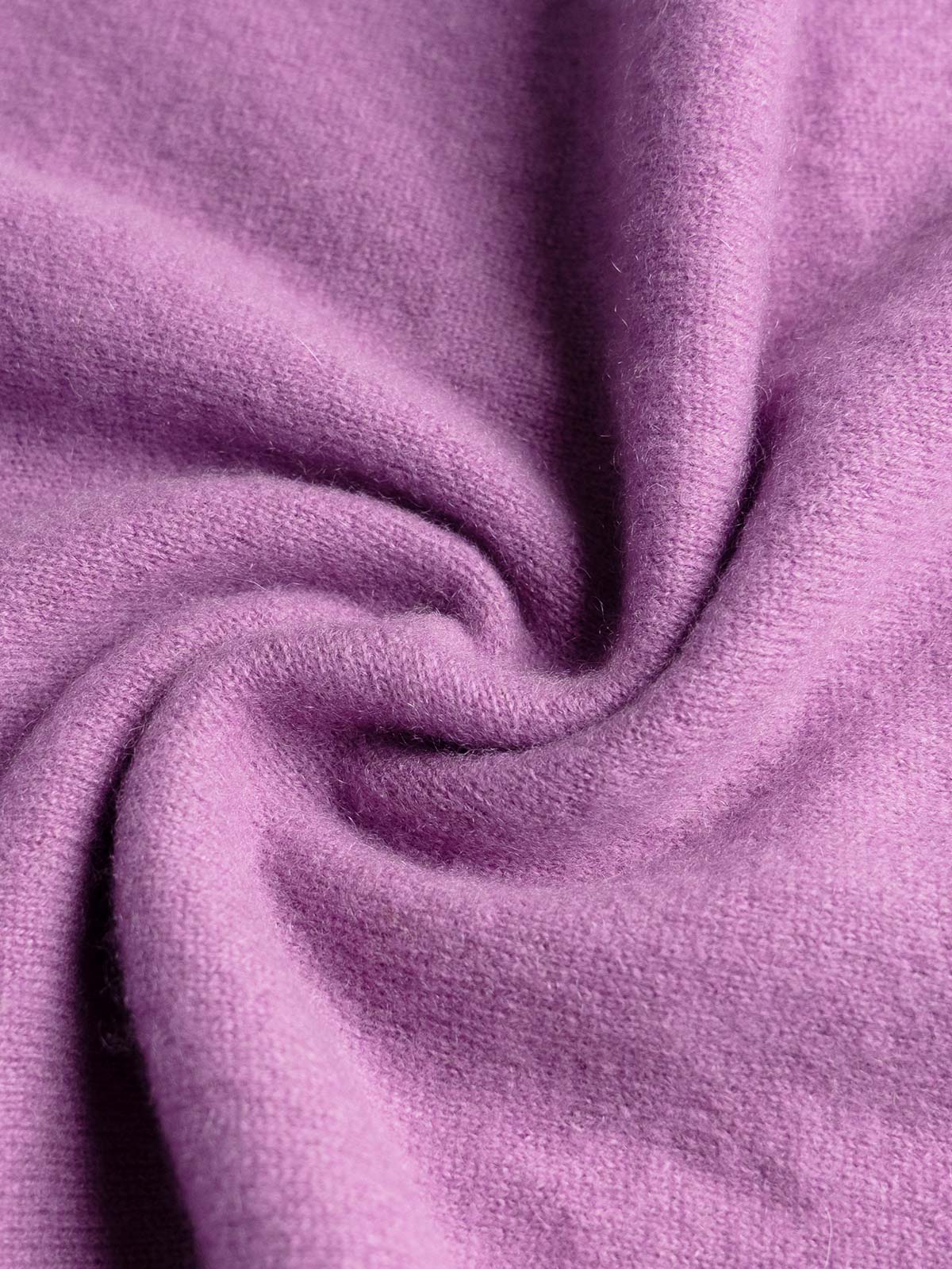
    Cashmere comes from the soft undercoat of cashmere goats, particularly the Changthangi breed that lives in high-altitude regions of the Himalayas—including Nepal, Tibet, Kashmir, and Mongolia. The word "pashm" means wool in Persian, and when people say "pashmina," they're referring to this incredibly fine cashmere wool.

    Here's what makes it extraordinary: these goats have developed an ultra-soft undercoat to survive harsh mountain winters where temperatures can drop to -40°C. Once a year, during spring molting season, this precious fiber is carefully collected—either by combing or shearing—and then hand-processed by skilled artisans.

    The numbers tell the story: A single Changthangi goat produces only 80-170 grams of usable cashmere fiber per year. Compare that to sheep, which can produce several kilograms of wool annually. This scarcity, combined with the time-intensive handwork required, is why authentic cashmere carries its price tag.

    The history runs deep, too. Wool fibers found in artifacts from the ancient Indus Valley Civilization—over 4,000 years old—are believed to be pashmina. For centuries, this fabric has been treasured not just for its warmth, but as a symbol of artistry and cultural heritage.

    Pashmina vs. Cashmere: The Real Differences

    This question comes up constantly, and the answer is both simple and nuanced.

    Legally speaking: In the United States and many other countries, "pashmina" and "cashmere" are considered the same thing. The U.S. Federal Trade Commission doesn't recognize "pashmina" as a separate term—they classify it as cashmere.

    But in practice, there are distinctions:

    Fiber Fineness

    • Pashmina: 10-15 microns in diameter (ultra-fine)
    • Standard Cashmere: 15-19 microns in diameter
    • For context: A human hair is about 75 microns thick

    The finer the fiber, the softer and more luxurious the fabric. True pashmina-grade cashmere is noticeably more delicate.

    Production Method

    Traditional pashmina is hand-spun using techniques passed down through generations. In places like Nepal and Kashmir, artisans still use hand-operated looms to weave each piece. This creates slight irregularities in the weave—the beautiful signature of human hands at work.

    Standard cashmere is often machine-spun and machine-woven, which creates uniformity but lacks that artisanal character. At Anitya, every piece is handwoven by skilled Nepali artisans, preserving traditional craftsmanship while supporting local communities.

    Common Blends

    You'll often find pashmina blended with silk—typically 70% cashmere and 30% silk. This adds subtle sheen, a bit more weight, and durability while maintaining the incredible softness. Pure cashmere has a matte finish; if it's shiny, it's either blended with silk or it's not pure cashmere.

    How to Spot Authentic Cashmere

    With so many synthetic imitations flooding the market, knowing how to authenticate cashmere is essential. Here are the methods that actually work:

    1. The Burn Test (Most Reliable)

    Take a tiny thread from an inconspicuous edge, light it with a match, and observe:

    Real cashmere:

    • Smells like burnt hair (because it IS hair)
    • Burns slowly and curls away from flame
    • Turns to fine ash that crumbles easily
    • No hard residue left behind

    Synthetic fake:

    • Smells like burning plastic or chemicals
    • Melts and produces black smoke
    • Leaves hard, bead-like plastic residue

    2. Feel the Fabric

    Authentic cashmere should feel incredibly soft but with substance, warm to the touch immediately, smooth without being slippery, and have a matte finish (unless blended with silk).

    3. Check the Weave

    Hand-loomed cashmere has slight, beautiful irregularities. Look closely—you should see small variations that show it was made by human hands, not machines. Perfect uniformity usually means machine production.

    4. The Static Electricity Test

    Rub two parts of the fabric together vigorously. Natural cashmere won't produce static electricity. If you feel or hear crackling, or if the fabric clings to itself, you're dealing with synthetic fibers.

    5. Price Reality Check

    Let's be honest: you're not getting authentic handmade cashmere for $20 or $30. Consider what goes into each piece: goats sheared once annually, hand-sorting and cleaning, hand-spinning, hand-weaving (150-200 hours for a single shawl), and fair artisan wages.

    Authentic cashmere pieces typically start around $100 and can go up to $600+ depending on quality, size, and craftsmanship.

    Is Cashmere Really Durable?

    One of the biggest misconceptions about cashmere is that it's delicate and won't last. The truth? High-quality cashmere is incredibly durable.

    The lifespan: With proper care, cashmere garments can last 20-30 years. Some pieces are passed down through generations. The fabric actually gets softer and more beautiful with age and wear.

    What Determines Quality

    Grade A Cashmere (Highest Quality):

    • Fiber diameter: 14-15.5 microns
    • Fiber length: 34-36mm
    • Best at retaining shape
    • Most expensive, but worth it for longevity

    Cashmere has natural stain resistance and doesn't need frequent washing. In fact, over-washing can damage the fibers. When you invest in authentic, high-grade cashmere, you're buying something that will be with you for decades, not seasons.

    Why Your High-Quality Cashmere Pills (And Why That's Normal)

    Important Truth: If your expensive cashmere sweater or shawl develops small fuzzy balls (pills) after wearing it, don't panic. This is completely normal—even in the highest quality cashmere. In fact, pilling in the beginning is actually a sign of authentic cashmere, not a defect.

    What Causes Pilling?

    Pilling happens when cashmere fibers rub together and tangle, forming small balls on the surface. This is caused by friction—whether from wearing the garment, layering it with other clothes, or even from the fabric rubbing against itself during movement.

    Common areas where pilling occurs:

    • Under arms
    • Around necklines
    • Cuffs and hems
    • Sides where bags or seat belts rub
    • Areas where the fabric folds against itself

    Why Even Premium Cashmere Pills

    Here's the science: when cashmere is first processed, there's a mix of long and short fibers. The shorter surface fibers are more prone to breaking loose and tangling. When you first wear your cashmere piece, these shorter fibers work their way to the surface and form pills.

    The good news: Once these shorter fibers shed after the first few wears and washes, pilling dramatically decreases. What remains are the longer, more durable fibers—and your garment will pill much less going forward.

    Low-quality cashmere (Grade B or C) pills much more because it's made with shorter, coarser fibers from the goat's back and legs rather than the fine undercoat. These cheaper versions may feel soft initially but pill excessively and continuously.

    Debunking the Myth

    Many people believe "good cashmere never pills." This is false. All authentic cashmere will pill to some degree initially. The difference is:

    • High-quality cashmere: Pills moderately at first, then greatly diminishes after first wash
    • Low-quality cashmere: Pills continuously and excessively throughout its life
    • Synthetic fakes: May not pill at all (because they're plastic, not natural fiber)

    How to Prevent Excessive Pilling

    1. Wash Regularly
    The best way to prevent pilling is actually to wash your cashmere. When wet, the fibers detangle, settle, and return smoothly to the surface.

    2. Avoid Friction

    • Don't wear cashmere as a middle layer under jackets
    • Be careful with jewelry that might snag fibers
    • Avoid wearing bags that constantly rub the same spot
    • Don't wear the same piece multiple days in a row—give fibers time to rest

    3. Proper Storage
    Store cashmere folded with acid-free tissue paper between layers. This prevents fiber-on-fiber friction while in storage.

    4. Air It Out
    After wearing, let your cashmere rest flat for a day or two. Many potential pills will naturally relax back into the fabric.

    How to Remove Pills (The Right Way)

    Never pull pills off by hand! This damages the fabric and can create snags.

    Best methods:

    1. Cashmere Comb: The gentlest option. Use a fine-mesh cashmere comb with light, even strokes across the fabric surface. This lifts pills without damaging underlying fibers.
    2. Fabric Shaver: Electric shavers with precision blades can remove pills quickly, but use on a low setting and with a light touch.
    3. Sweater Stone: A pumice-like stone that gently lifts pills when brushed across fabric.

    When to depill:

    • Before washing (remove visible pills first)
    • After the garment is completely dry
    • Lay the garment flat on a clean surface
    • Work in one direction with gentle pressure
    • Never depill a wet or dirty garment

    Remember: Initial pilling is a sign your cashmere is authentic. It's the shorter surface fibers naturally working their way out. After removing them once or twice, you'll notice significantly less pilling as the longer, quality fibers remain. This is part of the natural "breaking in" process of luxury cashmere.

    Health Benefits Backed by Science

    This is where cashmere really shines—and there's genuine scientific research to back up these claims.

    It's Truly Hypoallergenic

    Studies show that 1 in 3 people experience skin irritation from regular wool or synthetic fibers. The usual culprits? Lanolin (an oil in sheep's wool) and chemical treatments used in processing.

    Cashmere doesn't contain lanolin. It's naturally hypoallergenic. A comprehensive study by allergists, immunologists, and dermatologists reviewed 100 years of medical research and found zero evidence that wool itself is an allergen.

    The irritation people experience from regular wool comes from coarse fiber ends (30+ microns) poking through fabric and scratching skin. Cashmere fibers are so fine (14-19 microns) that this doesn't happen.

    Research has shown that superfine wool with a diameter of 17.5 microns or less can actually benefit people suffering from eczema or atopic dermatitis—in both children and adults.

    Temperature Regulation That Works

    Cashmere absorbs moisture vapor from your skin in hot weather, which evaporates through the fabric to cool you down. In cold weather, those same vapors condense inside the fiber, generating heat.

    The secret is in the structure. Cashmere fibers have a natural crimp that creates tiny air pockets. These trap warm air close to your body while allowing breathability. Cashmere is up to 8 times warmer than regular wool by weight.

    Natural Antibacterial Properties

    Cashmere is a "dry fiber," meaning it doesn't create the moist environment where bacteria and fungi thrive. Your cashmere pieces stay fresher longer, don't develop odors like synthetics do, and can be worn multiple times between washes. Dust mites aren't attracted to cashmere either.

    Built-In UV Protection

    Cashmere has a natural UV barrier that protects your skin from harmful sun radiation. It's an added layer of protection, especially for wraps and shawls worn over shoulders and arms.

    Environmental and Personal Health

    Because cashmere is completely natural and biodegradable, it doesn't release microplastics when washed (unlike synthetic fabrics). This means no synthetic chemicals touching your skin, no off-gassing from petroleum-based fabrics, and no contribution to microplastic pollution.

    Complete Care Guide for Decades of Wear

    Since quality cashmere can last 20-30 years, here's how to make that happen:

    Washing

    • Hand wash in cool water (never hot)
    • Use gentle, pH-neutral soap or cashmere shampoo
    • Don't wring, twist, or scrub—gently squeeze water through
    • Rinse thoroughly until water runs clear
    • Roll in a towel to absorb excess water

    Drying

    • Lay flat to dry on a clean towel
    • Never hang cashmere—it will stretch
    • Keep away from direct heat or sunlight
    • Reshape gently while damp
    • Allow 24-48 hours to dry completely

    Storage

    • Fold, don't hang—hanging causes stretching
    • Store in breathable cotton bags, not plastic
    • Add cedar balls or lavender sachets (natural moth deterrents)
    • Keep in cool, dry place away from direct sunlight

    Daily Care

    • Air out between wears instead of washing after every use
    • Remove pills gently with a cashmere comb
    • Spot clean small stains rather than washing entire garment
    • Give the fabric a day of rest between wears

    Never:

    • Use fabric softener (damages fibers and shortens lifespan)
    • Machine wash or dry
    • Use harsh detergents or bleach
    • Iron directly (if needed, use low heat with pressing cloth)

    Why Authentic Cashmere Is Worth the Investment

    Let's break down what you're actually getting:

    The Math

    • Lifespan: 20-30 years with proper care
    • Price: $150-$400 for quality piece
    • Cost per year: $5-$20 annually
    • Fast fashion alternative: $30-$50 annually for replacements

    Over time, quality cashmere is actually more economical—not to mention better for the environment.

    What You're Really Buying

    • Natural, hypoallergenic material gentle on sensitive skin
    • Temperature regulation that works year-round
    • Antibacterial properties that keep garments fresh
    • Built-in UV protection
    • A piece that gets softer and more beautiful with age
    • Support for skilled artisans and their communities
    • Preservation of traditional craftsmanship
    • Sustainable, biodegradable, natural fiber
    • Reduced environmental impact (no microplastics)
    • Timeless style that transcends trends

    The Anitya Difference

    When you choose cashmere from Anitya Collective, you're also getting:

    • Ethical production: Every artisan receives fair wages and works in safe conditions
    • 100% handmade: No mass production, just careful craftsmanship
    • Transparency: We know exactly who made your piece
    • Quality guarantee: We source only the finest cashmere from Himalayan goats
    • Sustainable practices: Natural materials and eco-conscious production
    • Community impact: Your purchase directly supports Nepali artisan families

    We believe luxury should feel natural, purposeful, and everlasting. Every piece tells a story of tradition, skill, and human connection.

    Making the Mindful Choice

    In a world of fast fashion and disposable goods, choosing authentic cashmere is an act of intention. It's choosing quality over quantity, longevity over trends, and supporting real people over corporate profits.

    Yes, genuine handmade cashmere costs more upfront. But when you consider the decades of wear you'll get, the health benefits for your skin, the environmental impact, the artisan families you're supporting, the cultural traditions you're preserving, and the simple joy of wearing something truly beautiful—the value becomes clear.

    This is what we mean by "impermanence" at Anitya. Nothing lasts forever, but we can choose things that last longer, age beautifully, and create positive impact while they're with us.

    Ready to Experience Real Cashmere?

    Every piece in our collection is lovingly crafted by skilled Nepali artisans using traditional handloom techniques. When you wrap yourself in Anitya cashmere, you're not just staying warm—you're becoming part of a story rooted in integrity, creativity, and human connection.

    Explore Our Handmade Cashmere Collection

    Because mindful living starts with mindful choices.

    Have questions about caring for your cashmere or want to learn more about our artisans? Contact us at hello@anityacollective.com—we'd love to hear from you.